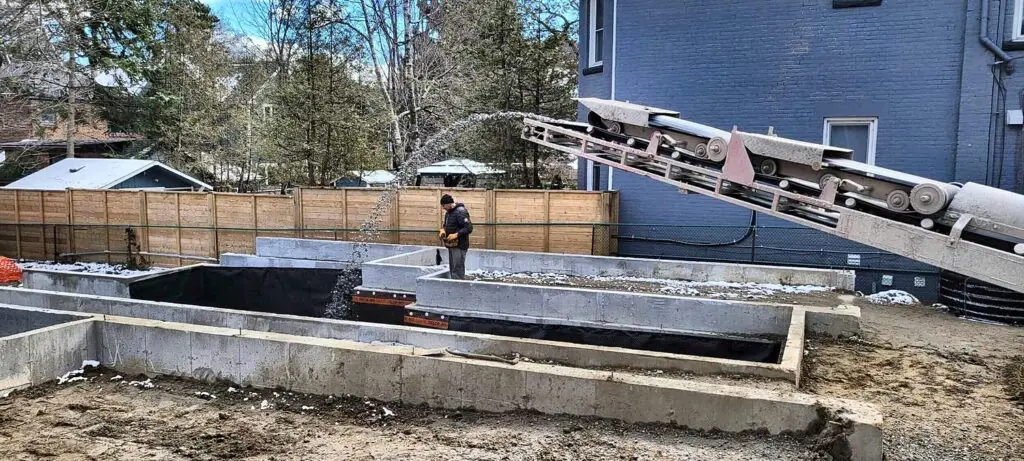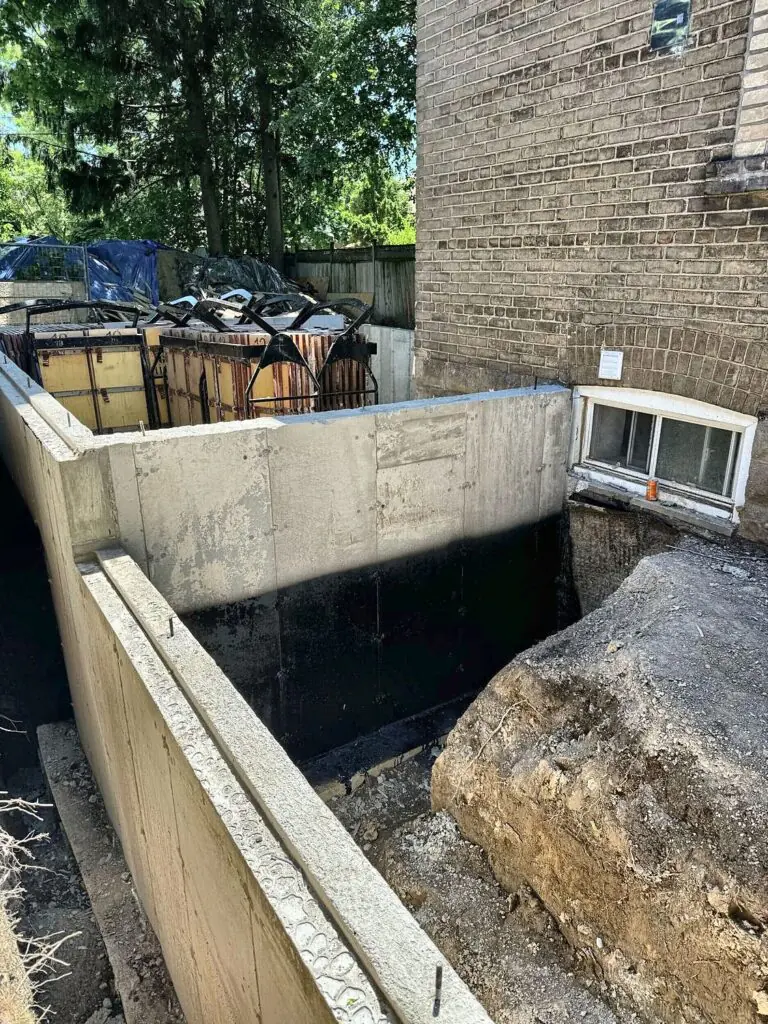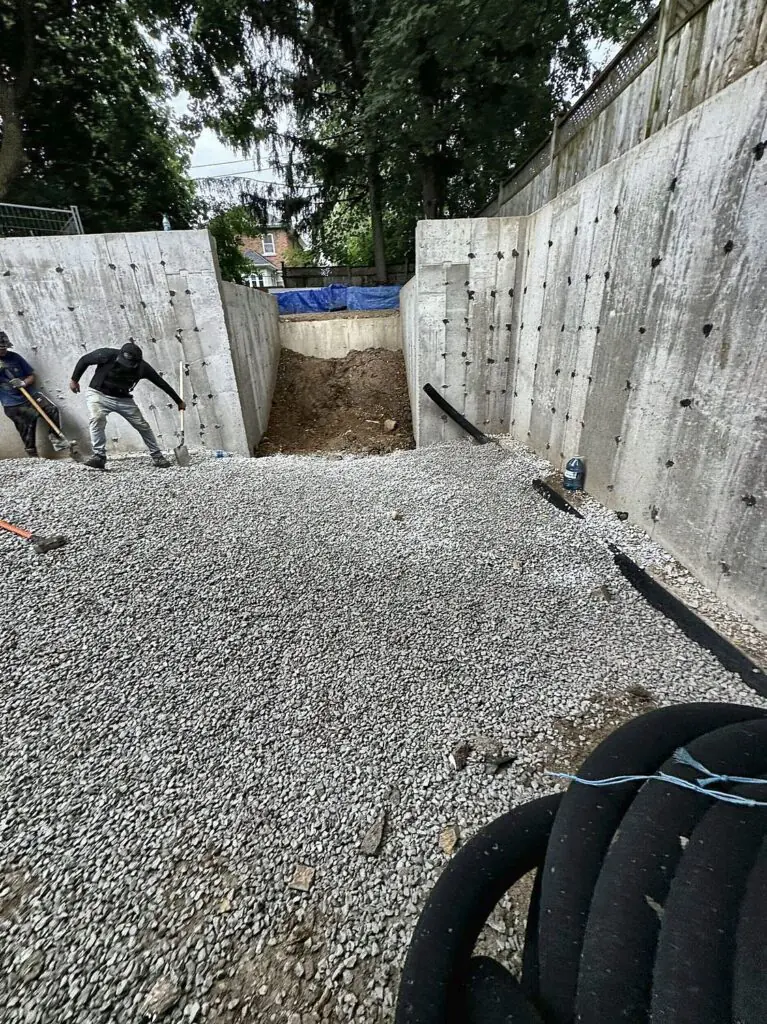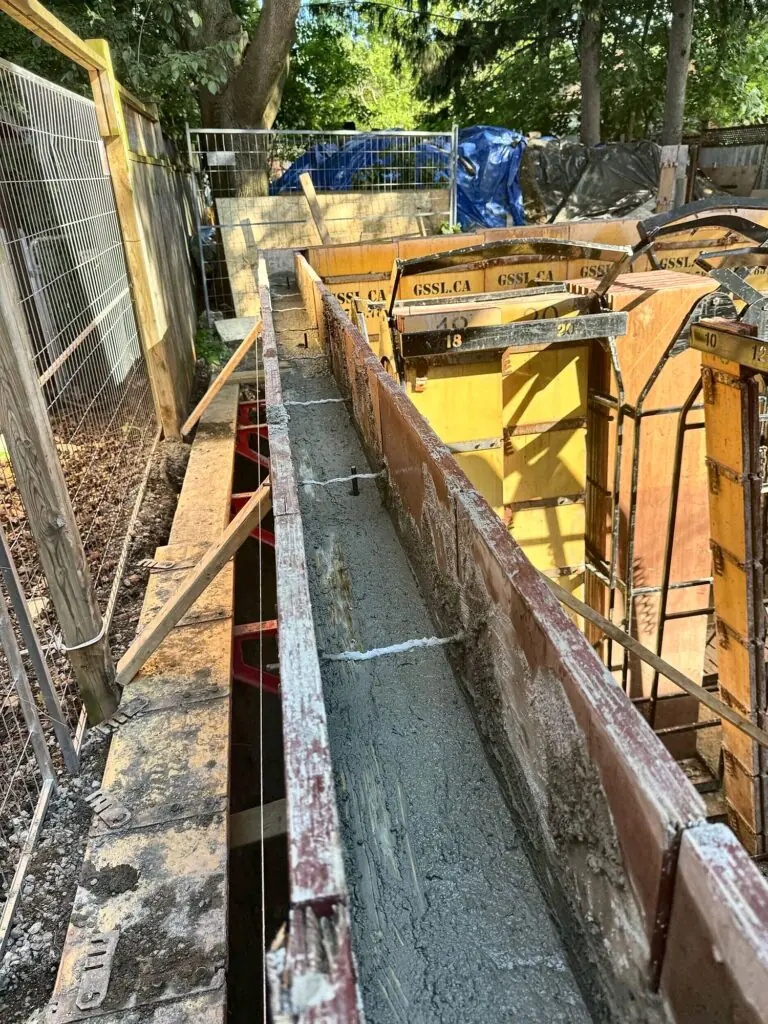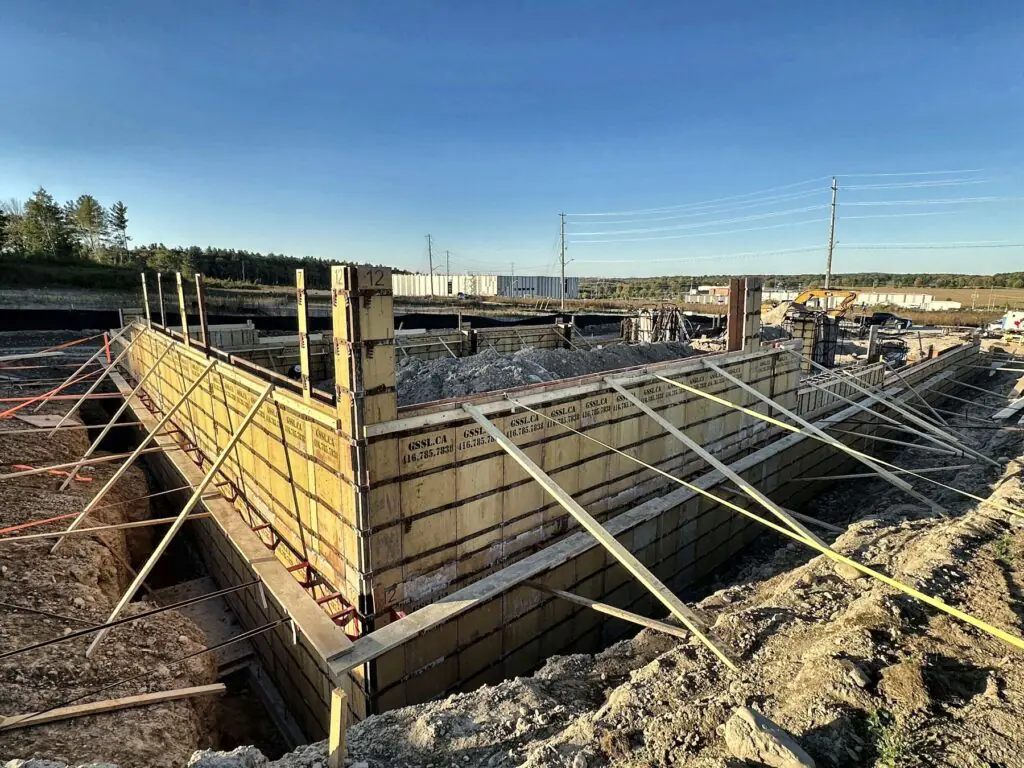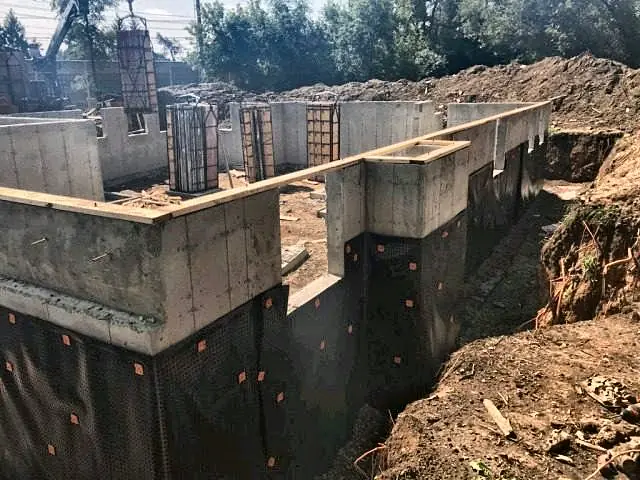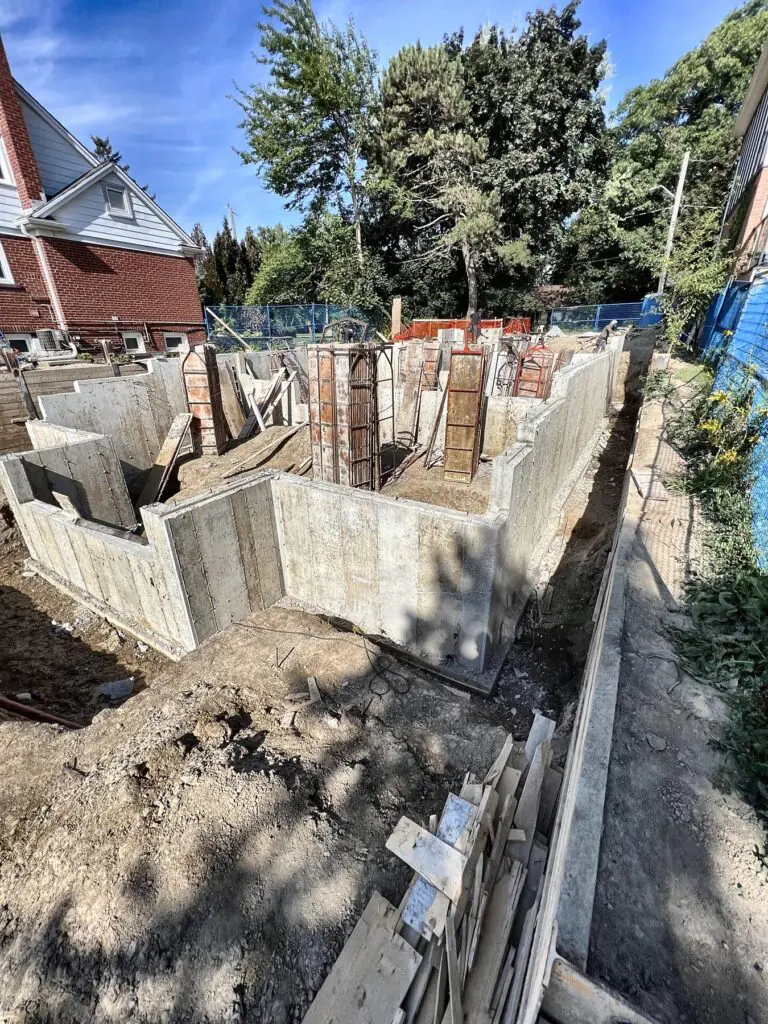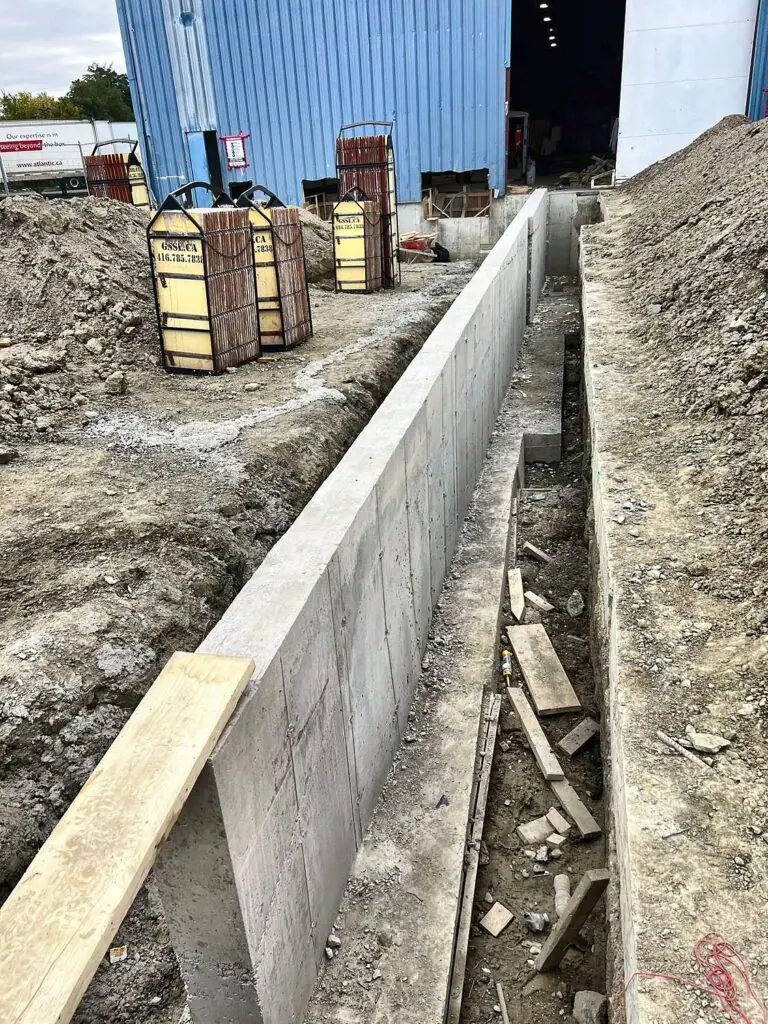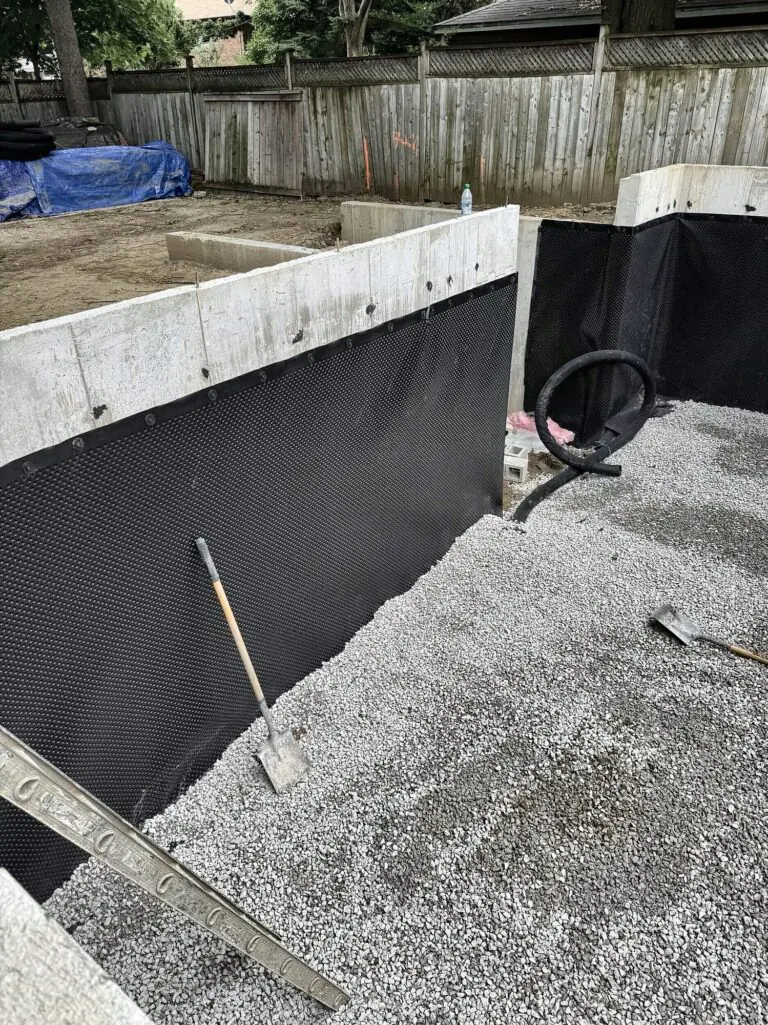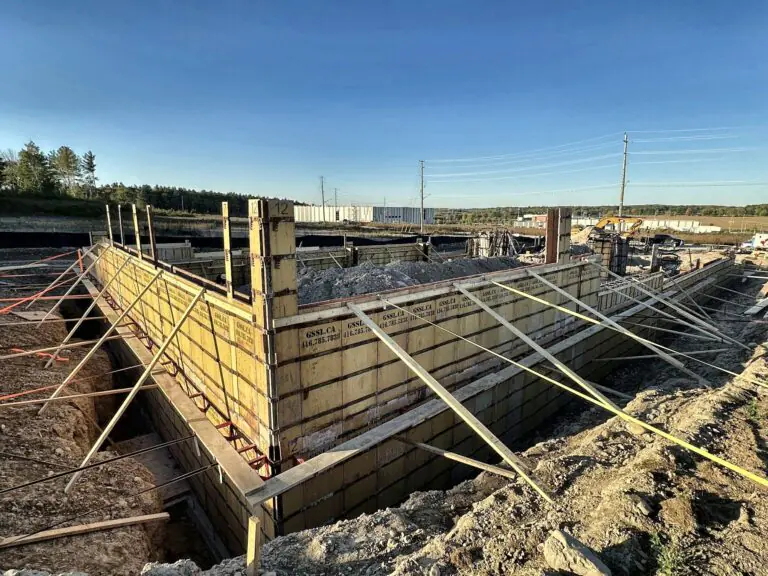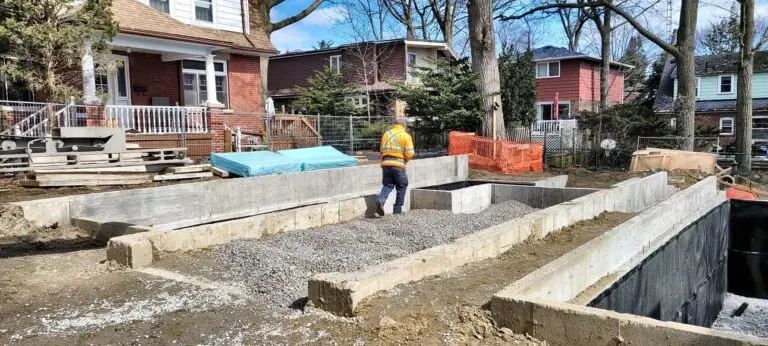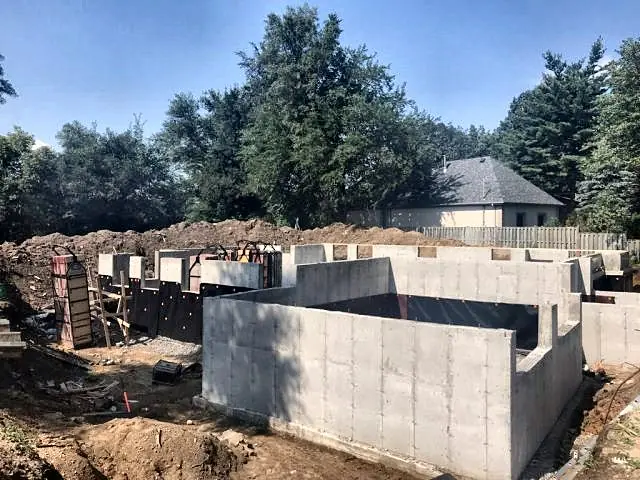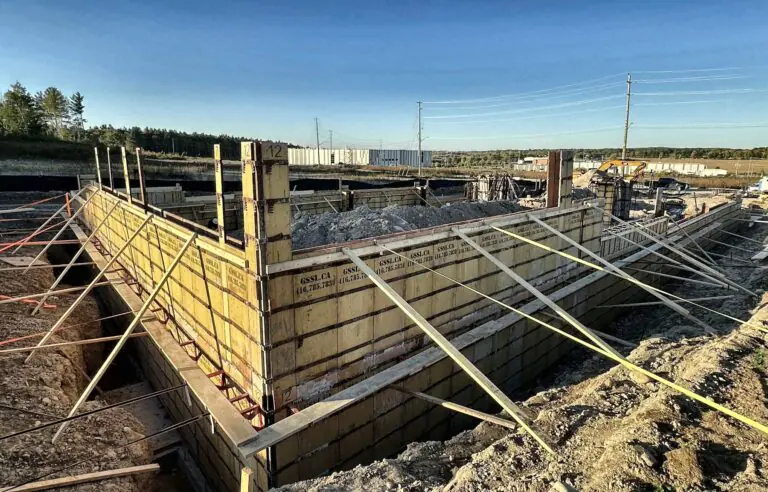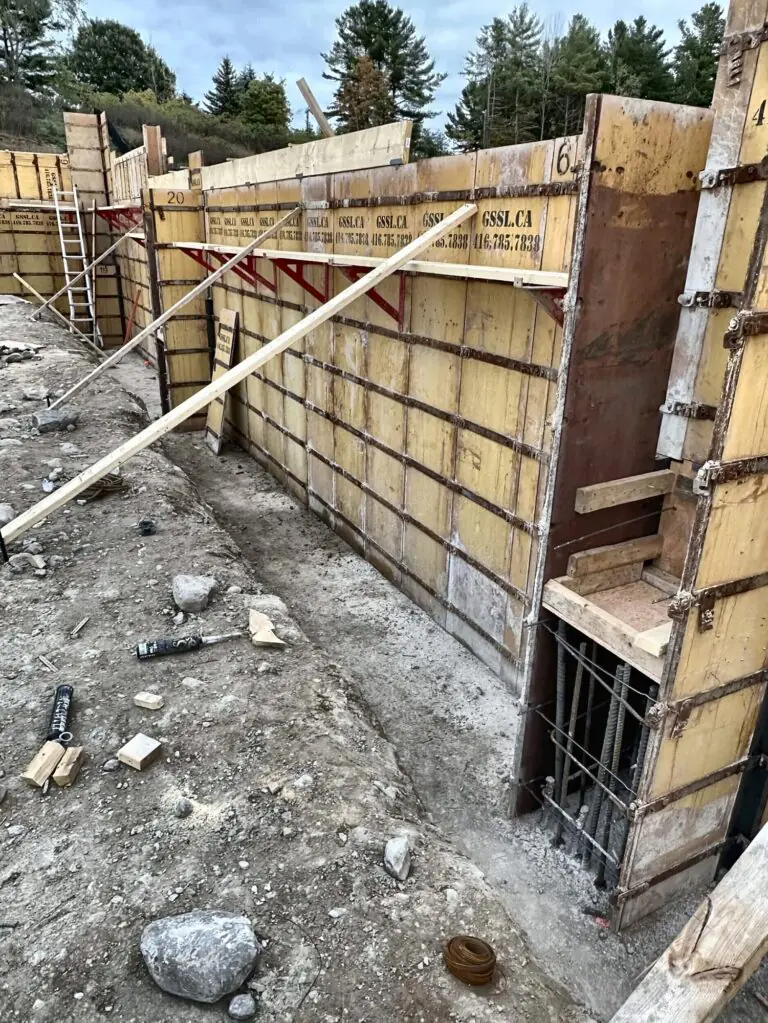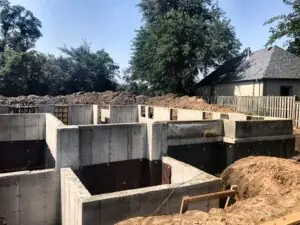
Foundation Waterproofing on New Walls: How It Works
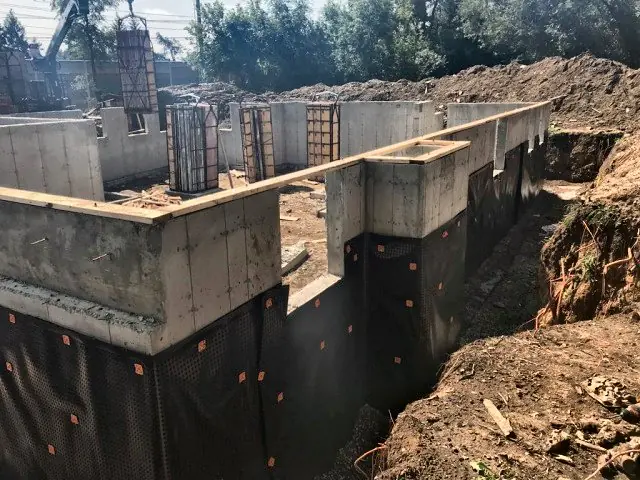
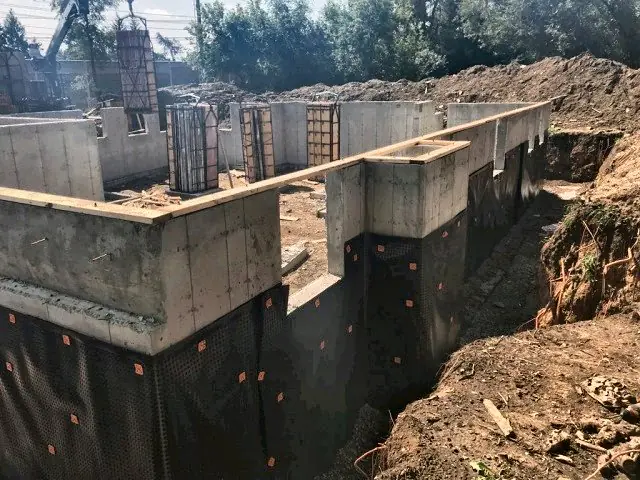
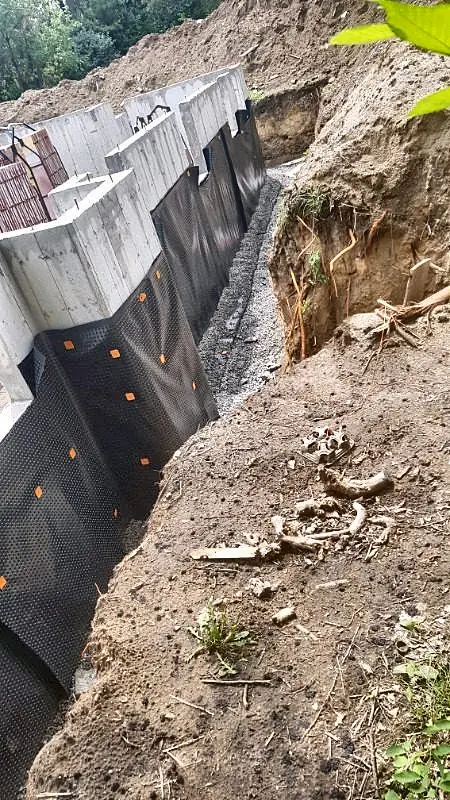
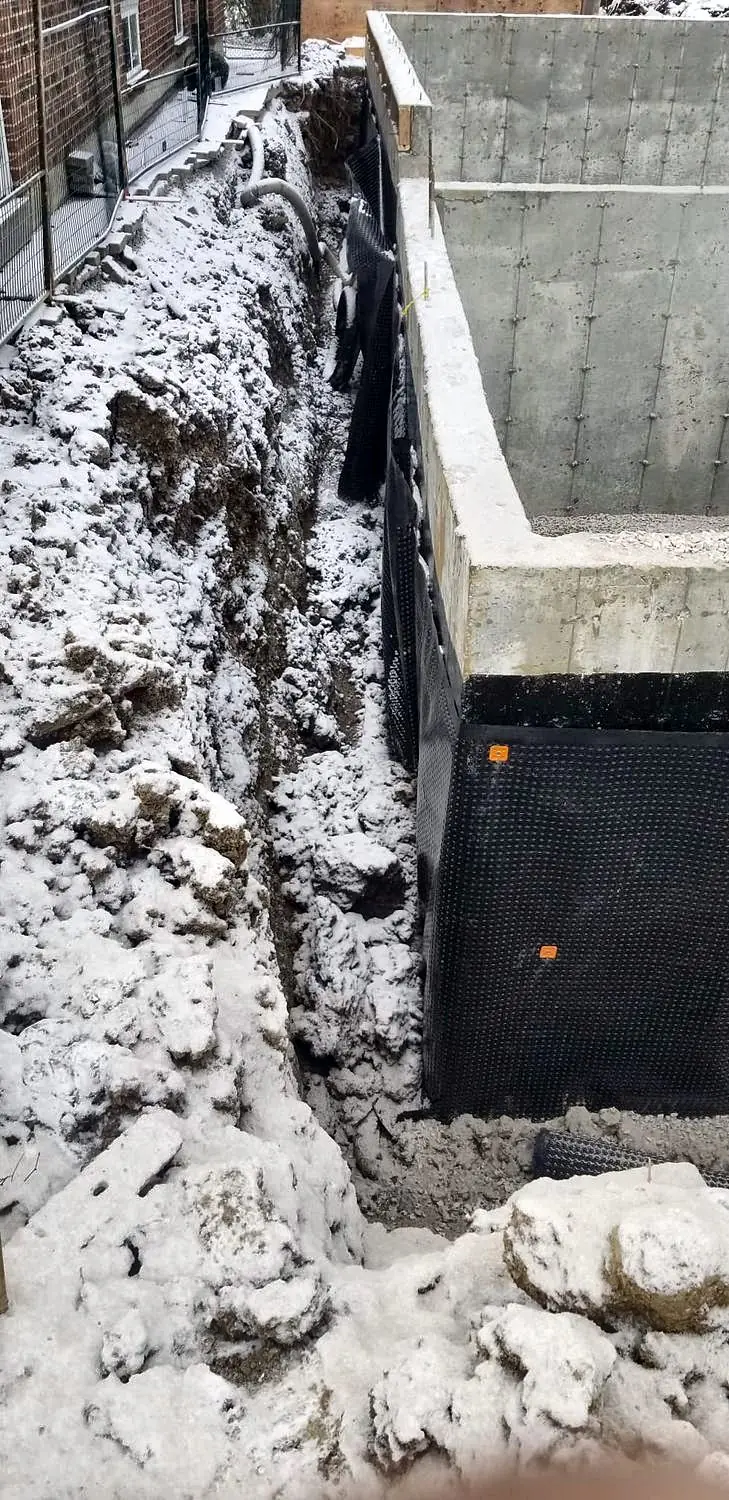
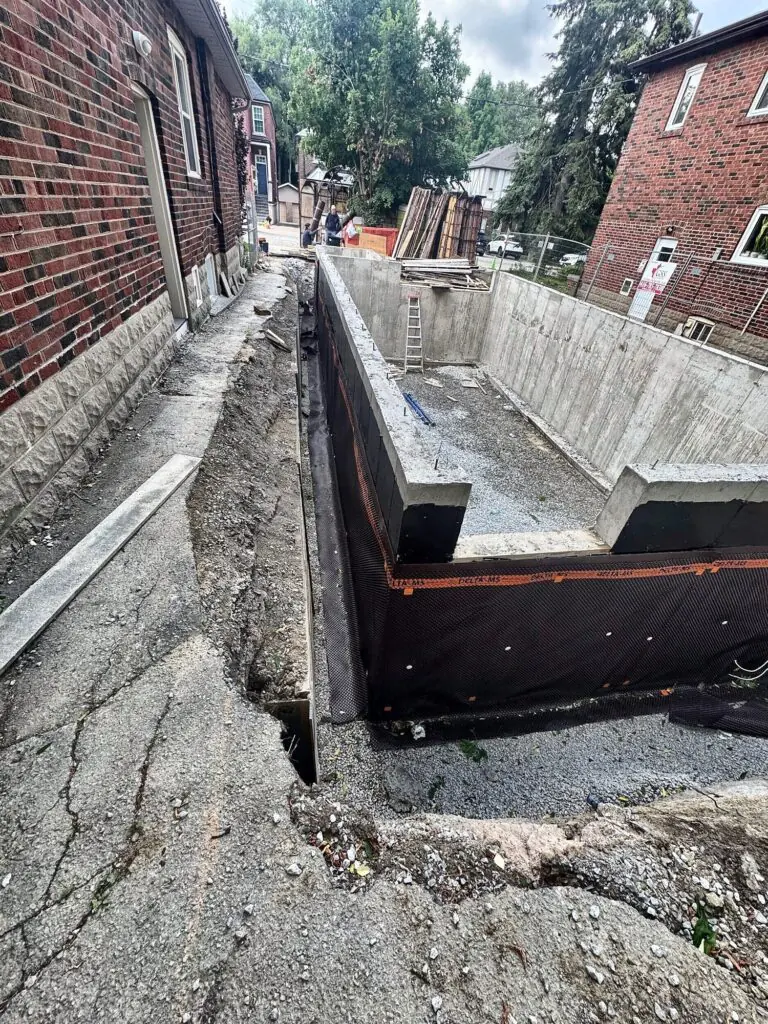
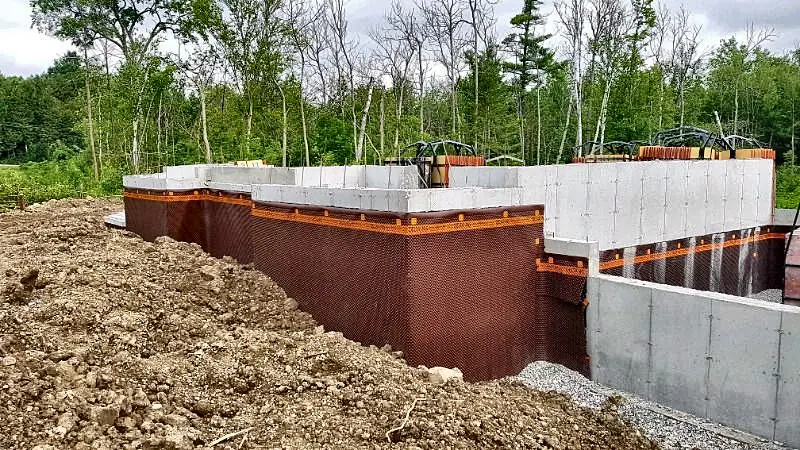
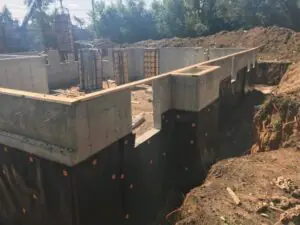
How a new foundation in Toronto is kept dry: damp-proofing vs waterproofing, membrane, drainage board, weeping tile and the mistakes that cause leaks.

Almost every concrete foundation cracks a little. Most of those cracks are harmless. Some are a sign that the footing or the wall is moving. This guide explains how to tell the difference, when to call a structural engineer, and when a crack means the foundation needs more than a repair.
Concrete shrinks as it cures, so thin cracks in the first year are normal. Later cracks come from soil movement, water pressure, frost, tree roots, or a footing that is settling unevenly.
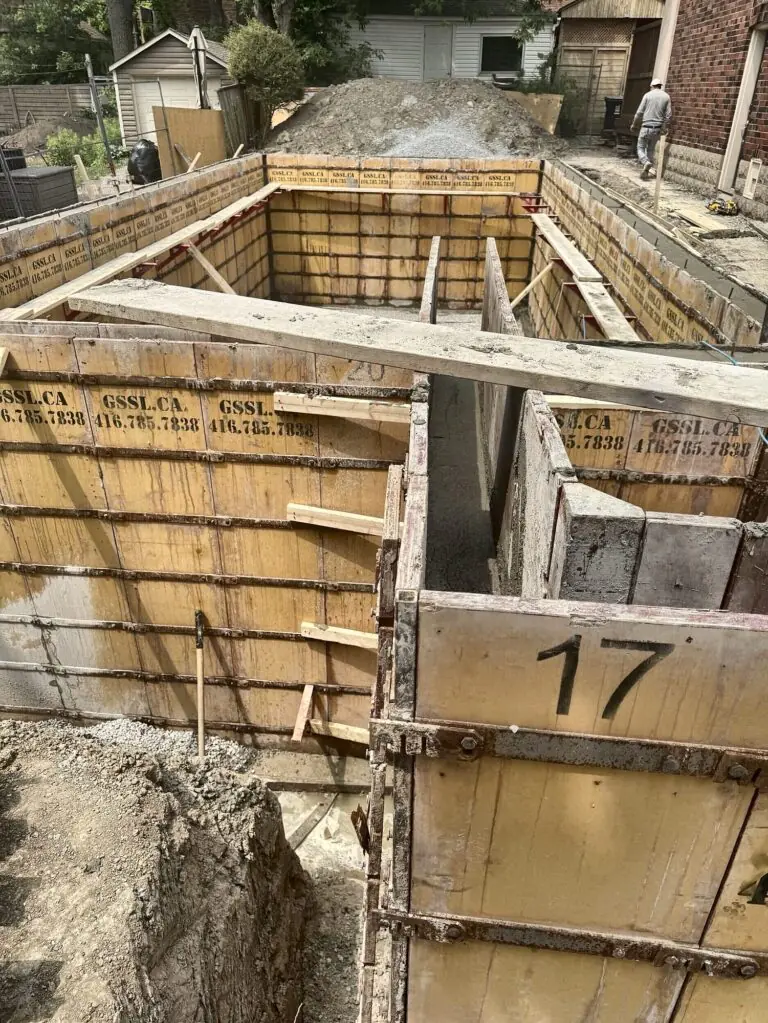
Keep an eye on them. Mark the ends with a pencil and a date, and check again in a few months.
For any of these, call a structural engineer first. They will tell you whether it is a surface repair, or whether the footing or wall itself needs work.
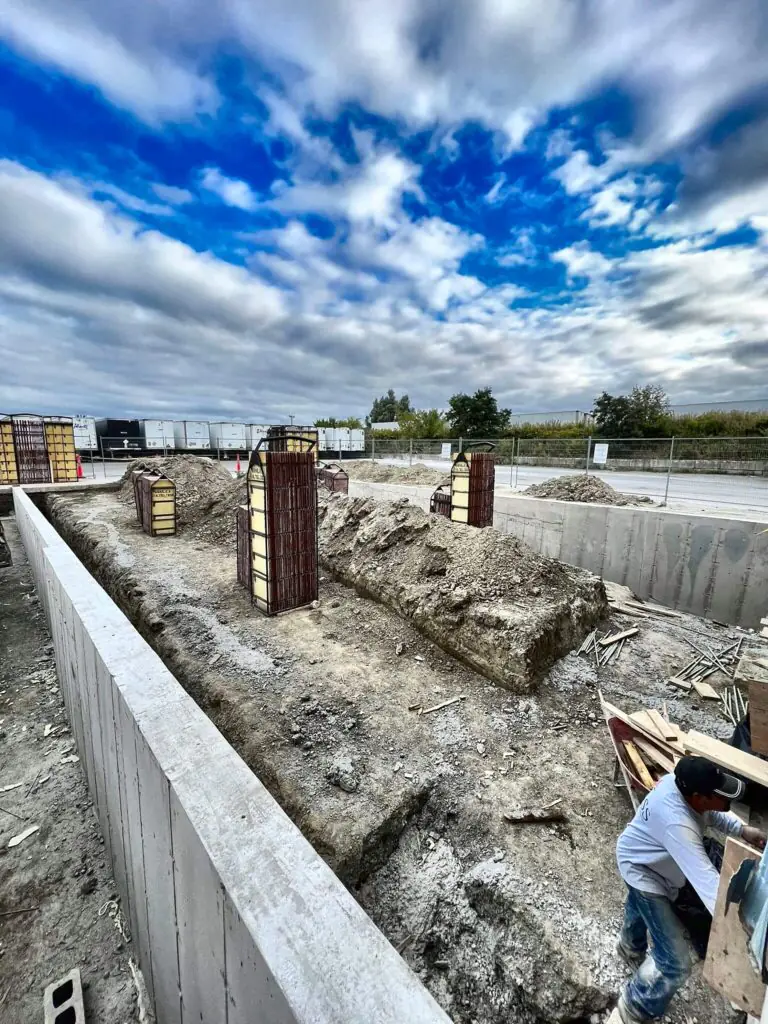
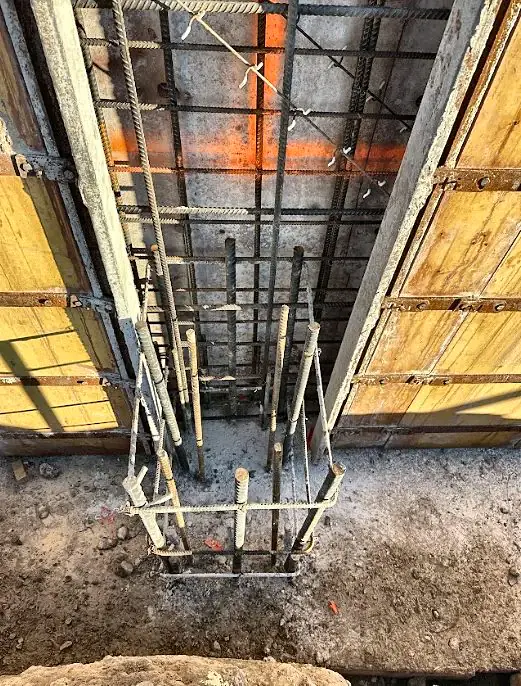
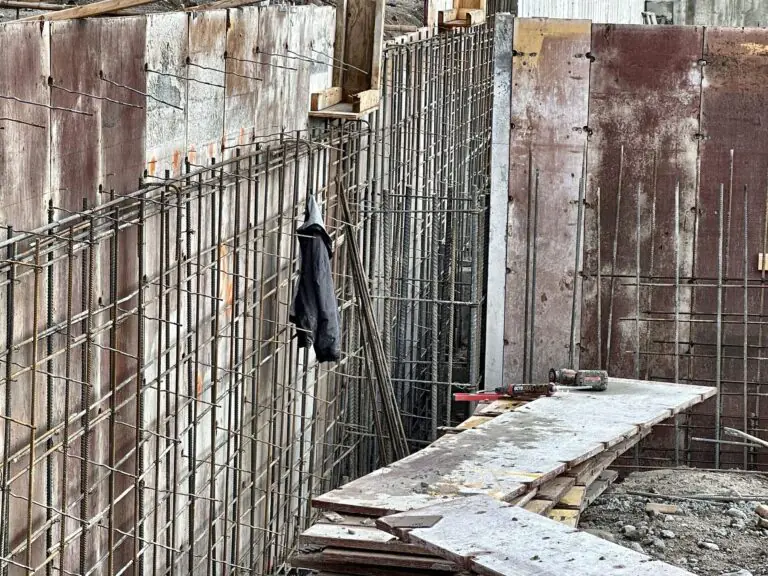
Many cracks are sealed and that is the end of it. If the engineer finds the footing has failed or the wall is moving, the fix is structural: new footings under the old ones, or a rebuilt wall. That is new foundation wall work, which we build. On houses, we don’t do crack injection or waterproofing repairs, but we can pour the new footings and walls the engineer specifies.
Hairline vertical cracks usually aren’t. Horizontal cracks, cracks wider at one end, and cracks that grow should be checked by a structural engineer.
An engineer. They tell you what is wrong and what fix the house needs. Then the right contractor builds it.
If your engineer calls for a rebuilt foundation wall or new footings, send us the drawings for a free quote. Crack in a parking garage wall or slab? See our concrete crack injection guide and concrete repair in Toronto. Get a free quote or call (416) 785-7838.
How a new foundation in Toronto is kept dry: damp-proofing vs waterproofing, membrane, drainage board, weeping tile and the mistakes that cause leaks.
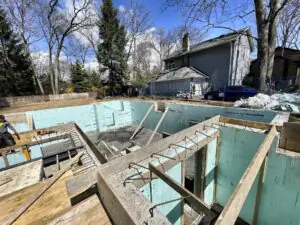
ICF foundations are foam blocks filled with reinforced concrete, insulated on both sides. How ICF compares with a poured wall and what drives the cost.
Can your foundation be repaired, or does it need new footings? What drives the cost of each, and the signs that it’s more than a simple fix.